Mastering the Freeze: A Fundamental Breaking Move
Introduction
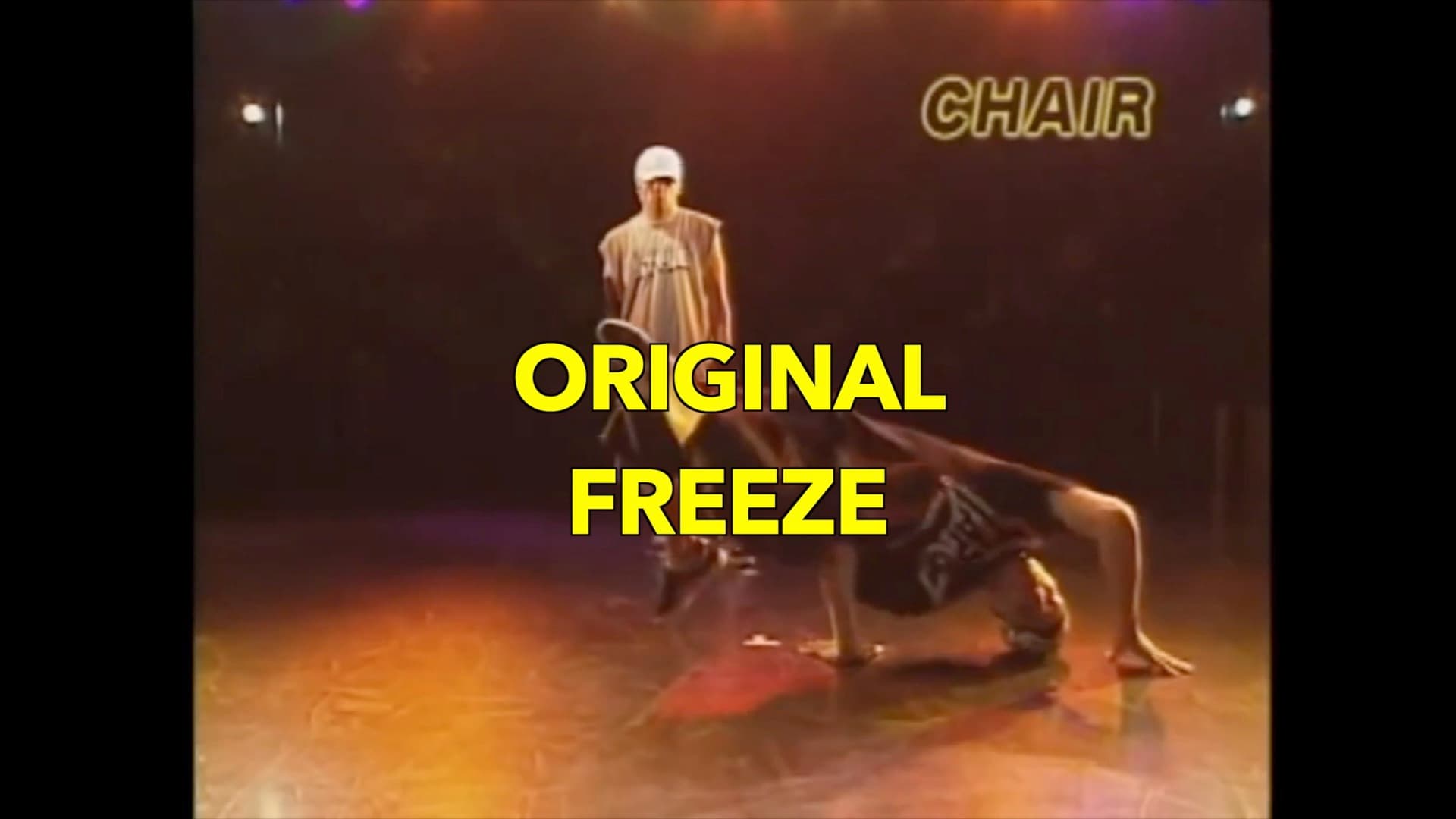
The freeze is a cornerstone move in breaking, also known as b-boying or breakdancing. This dynamic and visually striking technique involves abruptly halting all movement and holding a specific position, often in response to the music or at the end of a performance round. Freezes serve as powerful punctuation marks in a breaker's routine, demanding strength, balance, and creativity. From simple poses to complex contortions, freezes allow dancers to showcase their individuality, challenge their opponents, and captivate audiences with their physical prowess and artistic expression.
Video Demonstration
Dance History
The freeze has been an integral part of breaking since its inception in the early-to-mid 1970s. Early pioneers like Clark Kent developed some of the first ground freezes, including the backdrop (resembling the W) and a fetal position freeze. Another influential dancer, Scorpio, became known as "Mr. Freeze" for his signature pausing move.
As breaking evolved, so did the complexity and creativity of freezes. By the mid-1970s, more intricate freezes like the baby and chair freezes emerged. Throughout the 1980s, it was common for breakers to end their rounds with a single, impactful freeze. The 1990s saw the rise of freeze combos, with dancers like Ken Swift incorporating multiple freezes into their routines, leading to new styles like freeze framing and stacking.
Step By Step Instruction
Here's a basic guide to performing a simple freeze:
- Choose a stable base position (e.g., a squat or lunge).
- Lower your center of gravity for better balance.
- Engage your core muscles to maintain stability.
- Strike your chosen pose quickly and decisively.
- Hold the position without movement, focusing on balance and control.
- Maintain a strong facial expression to enhance the impact.
- Time your freeze with the music for maximum effect.
- Exit the freeze smoothly, transitioning into your next move or ending pose.
Tips For Learning
- Start with basic freezes before attempting more complex ones.
- Practice regularly to build strength and improve balance.
- Use a mirror or record yourself to refine your technique.
- Incorporate freezes into your routines gradually.
- Study experienced breakers to learn new freeze variations.
- Experiment with different body positions to find your unique style.
- Focus on clean entries and exits for a polished look.
- Always warm up properly to prevent injuries.
Conclusion
The freeze is more than just a static pose; it's a powerful tool in a breaker's arsenal that combines strength, balance, and artistic expression. From its roots in the 1970s to its evolution into complex combinations, the freeze continues to be a defining element of breaking. By mastering this fundamental move, dancers can add impact to their routines, showcase their creativity, and pay homage to the rich history of breaking culture.
More Breaking Dance Moves
If you liked the Freeze, these moves give you the dynamic content to punctuate , because a freeze only lands when you've got something to freeze out of:
- Mastering the 6 Step: The Foundation of Breakdancing Footwork , The 6 Step is the most common move to exit into a freeze, and learning to snap cleanly from footwork into a held position is one of the first skills taught together.
- Mastering the Backspin: A Fundamental Breaking Power Move , Power moves like the backspin are designed to build rotational momentum that is then released into a freeze , the two elements are structurally paired in breaking.
- Mastering the Windmill: The Iconic B-Boy Power Move , Ending a windmill combination with a freeze is a standard battle move, and developing both together sharpens your ability to control when and how you stop.
- Mastering the Headspin: A Gravity-Defying Breaking Move , Locking into a freeze after a headspin is an advanced but frequently used sequence, and both moves demand the same core stability and sense of body position under pressure.
More Breaking articles
Train 1-on-1 with Ceech.
Get personalized coaching tailored to your style and goals.
Book a Free Consult