Mastering the Art of Tutting: A Geometric Dance Revolution
Introduction
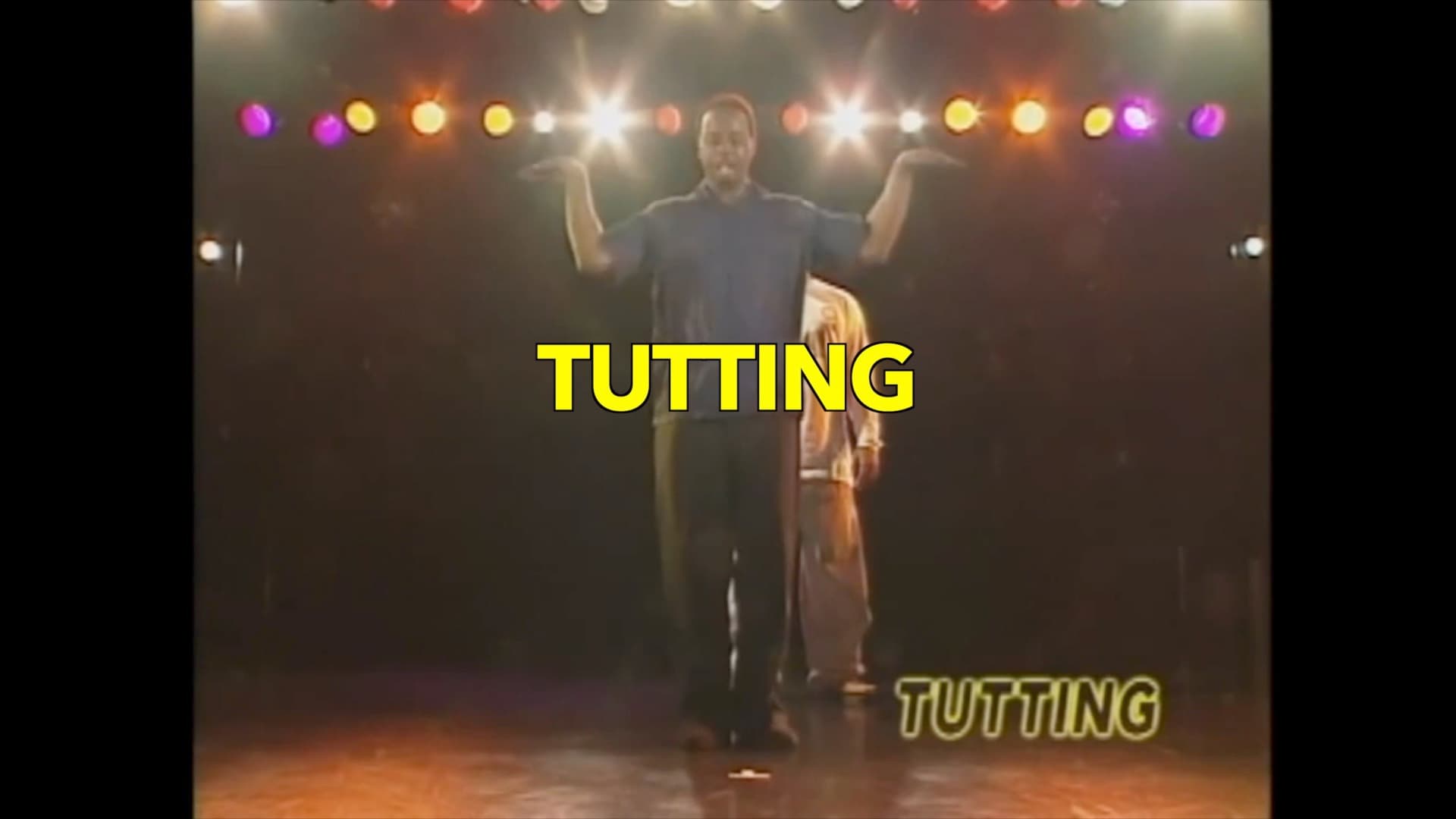
Tutting, a mesmerizing dance style that transforms the human body into a living, breathing geometric puzzle, has captivated audiences worldwide with its precise angles and intricate hand movements. This unique form of dance, rooted in the funk styles of the 1970s, draws inspiration from the art of ancient Egypt and modern-day technology. Tutting challenges dancers to create complex shapes and patterns using their arms, hands, and fingers, resulting in a visually stunning display of body control and creativity. As a fundamental element of street dance culture, tutting has evolved from its origins in popping to become a standalone art form, pushing the boundaries of what the human body can express through movement.
Video Demonstration
Dance History
Tutting emerged in the 1970s as part of the broader funk styles dance movement, particularly within popping. The name "tutting" is derived from King Tut, referencing the angular poses seen in ancient Egyptian art and hieroglyphics. While there isn't a single credited creator, the style was popularized by street dancers in California, particularly in Fresno and Los Angeles.
The dance form gained significant traction in the 1980s and 1990s, evolving alongside other street dance styles. As it developed, tutting incorporated influences from various sources, including mime, robotics, and even sign language. The advent of social media and online dance communities in the 2000s led to a renaissance in tutting, with dancers worldwide sharing techniques and pushing the style to new heights.
Step By Step Instruction
- Start with the basic "box" position: Hold your arms out in front of you, forming a square with your forearms and hands.
- Practice creating 90-degree angles with your arms, hands, and fingers.
- Learn to transition smoothly between different angular positions.
- Incorporate wrist rotations to add fluidity to your movements.
- Experiment with creating letters and symbols using your hands and arms.
- Practice isolations, moving one part of your body while keeping others still.
- Combine angular movements with smoother transitions for contrast.
- Explore different levels, moving your arms from high to low positions.
- Incorporate tutting into freestyle movements, blending it with other dance styles.
- Develop your own unique patterns and sequences as you become more comfortable with the basics.
Tips For Learning
- Start slow and focus on precision before speed
- Use mirrors or record yourself to check your angles and alignments
- Practice regularly to build muscle memory and improve flexibility
- Study geometry and optical illusions for inspiration
- Watch tutorials and performances by experienced tutters
- Join a dance community or take classes to learn from others
- Experiment with different music styles to find your rhythm
- Be patient and persistent, as mastering tutting takes time and dedication
Conclusion
Tutting is a captivating dance style that combines geometric precision with creative expression. By mastering the fundamental techniques of creating angles, transitions, and isolations, dancers can unlock a world of artistic possibilities. As you progress in your tutting journey, remember that the key to success lies in consistent practice, attention to detail, and a willingness to push your boundaries. Whether you're a beginner or an experienced dancer, tutting offers a unique way to express yourself and connect with the rich history of street dance culture.
More Funk Style Dance Moves
If you liked Tutting, these moves share the same focus on sharp angles, arm isolations, and deliberate visual geometry:
- Mastering the Art of Ticking: A Funk Style Dance Move That Will Make You Pop , Ticking's sharp, clock-like snap between positions uses the same precision and body-part isolation that makes tutting shapes look clean , practicing both will sharpen your overall control.
- Mastering the Puppet: A Funky Dance Move That Pulls Your Strings , The Puppet's angular, jerky arm movements overlap heavily with tutting's geometric arm vocabulary; combining the two gives your hand choreography a strong theatrical character.
- Mastering the Scarecrow: A Funky Popping Dance Move , The Scarecrow creates visual interest through contrast between rigid angular poses and loose drops , the same principle of using body geometry to tell a story that tutting relies on.
- Mastering the Art of Waving: A Fluid Funk Style Dance Move , Waving is tutting's stylistic opposite: where tutting locks into hard angles, waving flows through curves , learning both gives you the full range of arm-focused expression in funk style.
More Popping & Funk articles
Train 1-on-1 with Ceech.
Get personalized coaching tailored to your style and goals.
Book a Free Consult